Well, let’s start our journey through the numbers. As I said, quantitative analysis isn’t my preferred part. I prefer good stories, but over time, due to some errors, I understood the importance of numbers.
Stories sometimes lie (i.e because the CEOs lie, often they are only good salesmen. We will learn how to value a good CEO). Even numbers sometimes lie (Financial shenanigans), but if we learn how to read a financial statement, we reduce the odds of errors.
Moreover, if we want to define the value of a company, we have to account for actual numbers and projections of their future. Those projections will be defined by a story, preferably good stories.
The results of our calculations will be a fair value. In other words, the number (i.e. price) we are willing to pay for a given stock.
Remember: we want to mix numbers with stories in a balanced manner. (Article 11. stories and numbers).
“Accounting is the language of business”
Warren Buffett
The company’s financial documents are usually available in the investor relations part of the official website.
For example, you can see the Facebook investor platform:
https://investor.fb.com/home/default.aspx

Another option is to use a web platform like Yahoo Finance, QuickFS, TIKR, or so on.
Those platforms show the same data of financial statements plus a series of useful tools, e.g. ratios. I will write about ratios in a specific article.
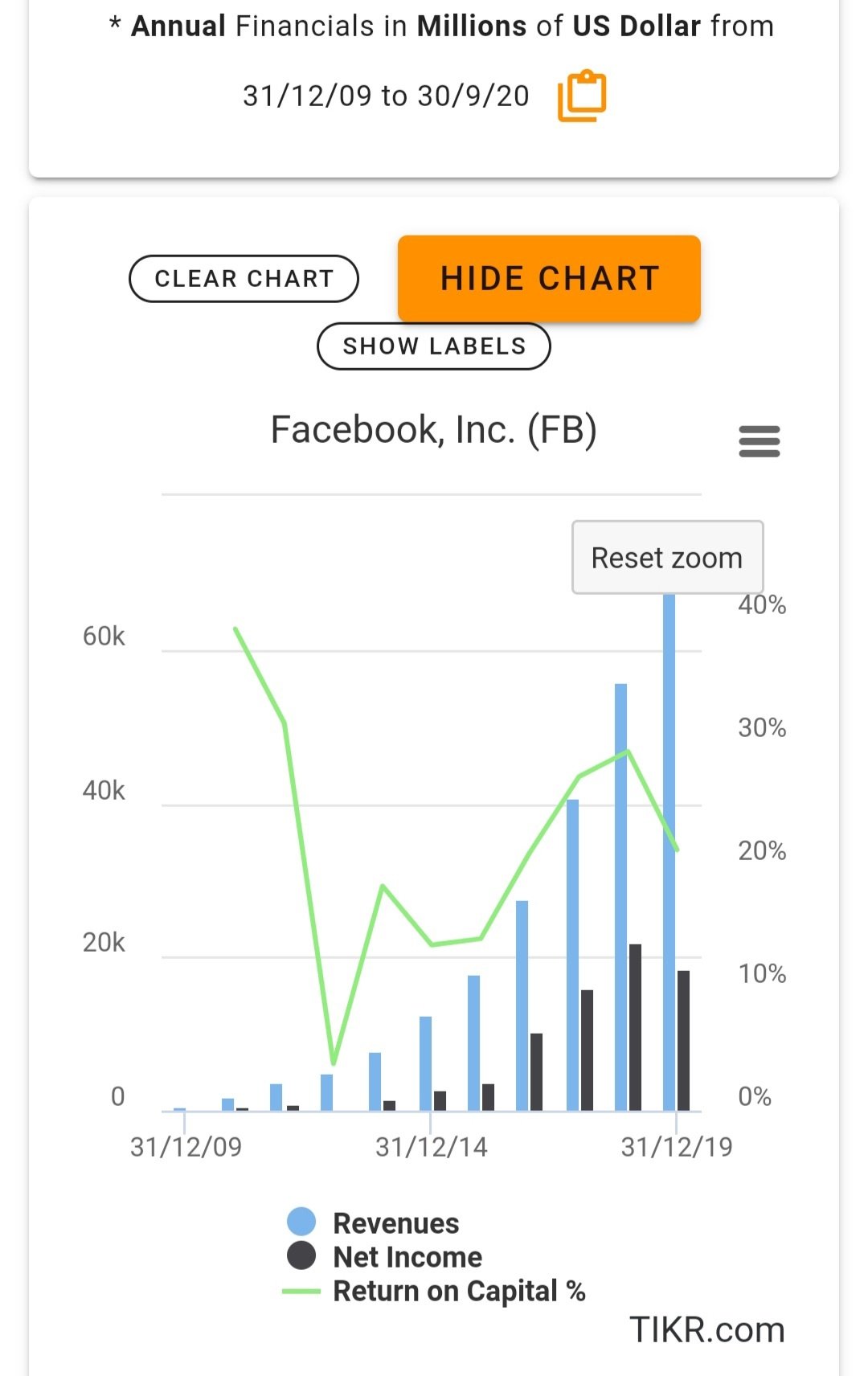
Personally, I prefer to use those platform because at glance I can see all the numbers I need. Moreover these platforms allow us to have a chart representation that simplifies the analysis.
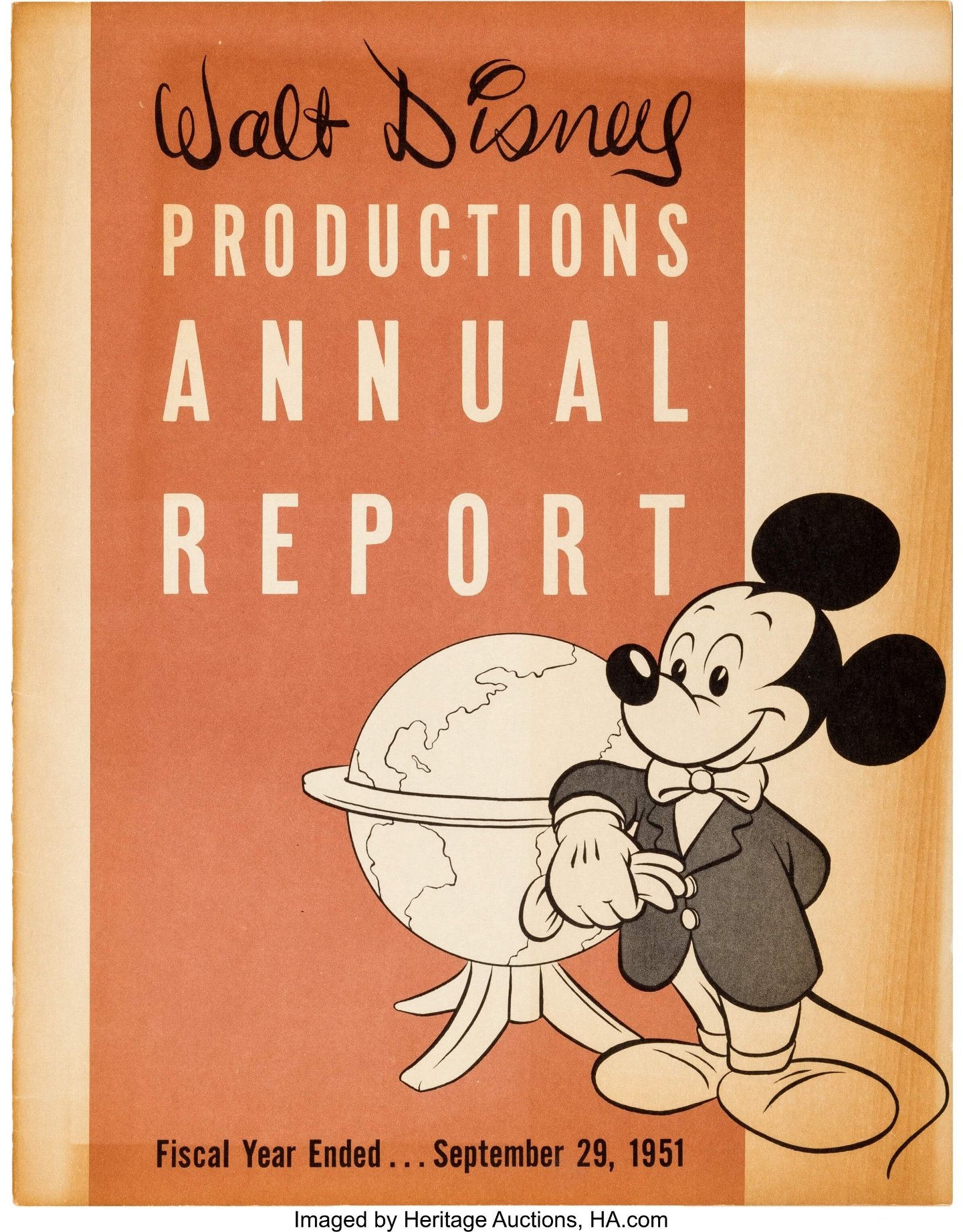
Annual report.
One of the most important document is the annual report. Here we can find the most part of the data we need.
Numbers are shown through tables where the company put the financial results of the current year compared with the past years.
The three main financial statements we can find are: income statement, balance sheet, and cash flow statement.
Noting that those three statements are also available on a quadrimestral basis, in this report is also possible to find the guidance. Guidance is the projection of the future numbers of the company, provided by the management for the successive quarter.
Form 10-K.
10-K is another form filled annually by the company. 10-K is more detailed than the annual report.
As well as numbers, the 10-K form contains qualitative data about the prospect of the company, management discussion, and the risks related to the business model, all of this is useful to create our story about the company and define the future profitability.
Changes in business happen over years, it doesn’t happen over days, or weeks, or even months, so usually it’s useless to check every quarter in detail.
In the next articles, I will dig deeper into income statements and the numbers we have to focus on.
Following chapter 13. 10-k
Feel free to comment, share my article with friends and subscribe to my newsletter if you like my content and you want to follow me towards financial freedom.
You will obtain free access to my newsletter:
- Financial education
- A open minded and value oriented mindset
- Business and sector analysis
- A stoic and calm attitude towards the market ups and downs
No noise, only signal and high valuable contents
“Everything should be made as simple as possible, but not simpler.”
Albert Einstein
Leave a Reply